Table of Contents
- Your product is superb, but when it comes to making a purchase, the conversion rate of your users is very low, and you find it difficult to keep your users engaged with your website or application. Did you know that, according to Stanford Web Credibility Research , 75% of users admit to making judgements about a company’s credibility based on their website design.
- UI (User Interface) & UX (User Experience) play an important role in designing a website. These two are the major aspects that are considered when creating a website. They provide various benefits to the users and owners of the website. UI & UX design work together to create an engaging and user-friendly interface while working on a website. Both these aspects are linked closely, UI looks after the entire graphic and visual,als whereas UX designer takes care of the proper functionality
- A highly functional website can be underperforming if the user interface is unappealing, same as if a website with a beautiful UI without good navigation is confusing.
- Example: Think of a modern car, which comes with multiple features and a touch display that can control all the functionality, still, they provide clickable and rotatable buttons so you can easily navigate all the features.
- UI (User Interface): The visual aspect or face of the website is termed as User Interface. UI will display the visual details and how users interact with it. UI designers consider various aspects while working on a website. These factors are font, colors, and arrangement of the content, icons, and navigation elements. The UI designers aim to create an interface that is appealing, attractive, and easy for users to navigate and quickly find what they need. The layout of the website should be user-friendly, with categories being labeled clearly. Additionally, the content of the website should be well-organized and should be displayed in a way that captures the attention of the users easily.
- UX (User Experience): This part of website designing considers the overall experience of the user while going through the website. It is very important that users should find the website engaging and easy to use. The primary focus of UX designers is that the website should be understandable and easily accessible. The website should deliver a seamless experience with user-friendly navigation. It should complete the tasks assigned by users effortlessly and efficiently. The logical workflow enables the website to work smoothly on different devices. A positive UX fosters user satisfaction, builds trust, and ultimately drives conversions.
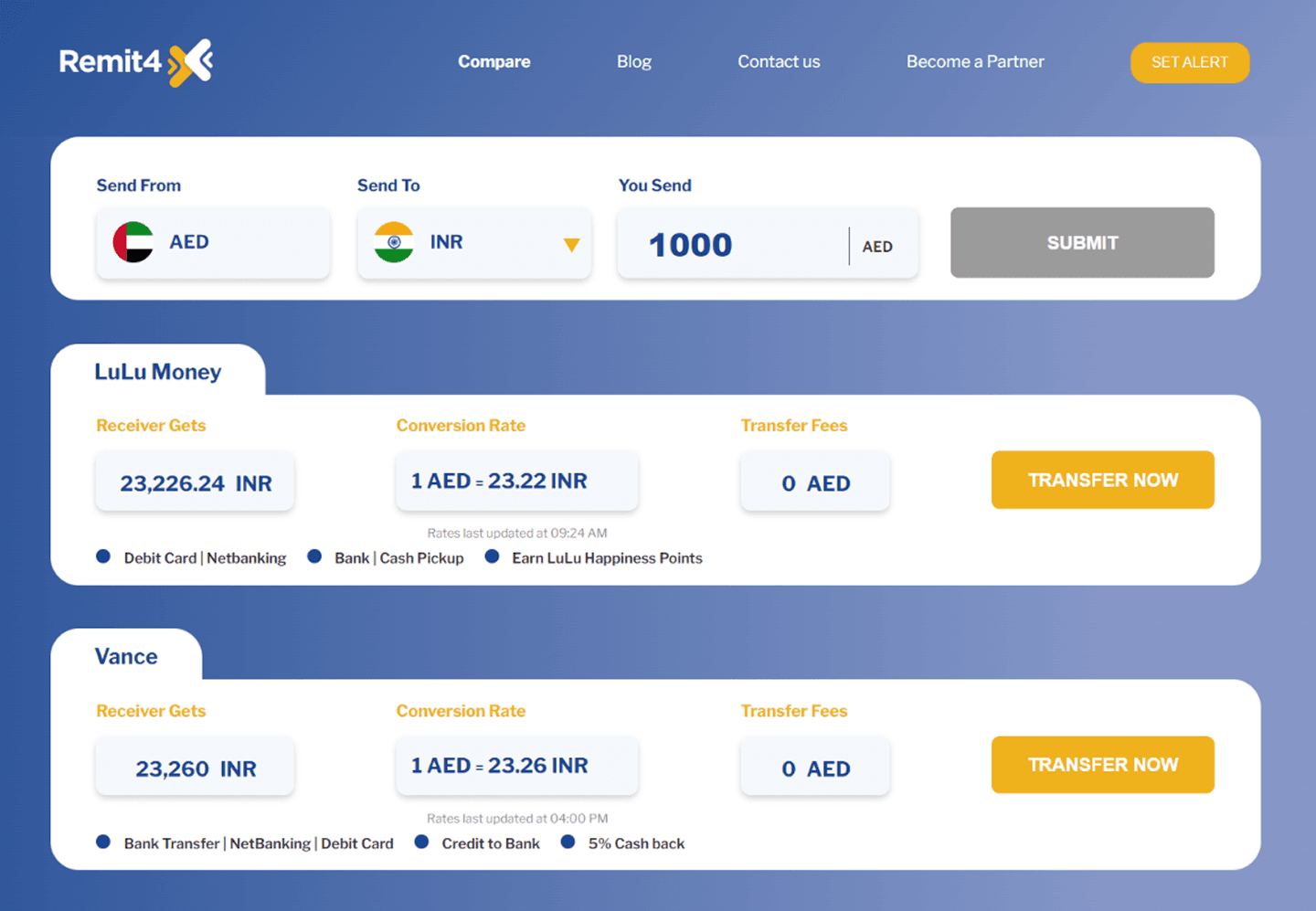
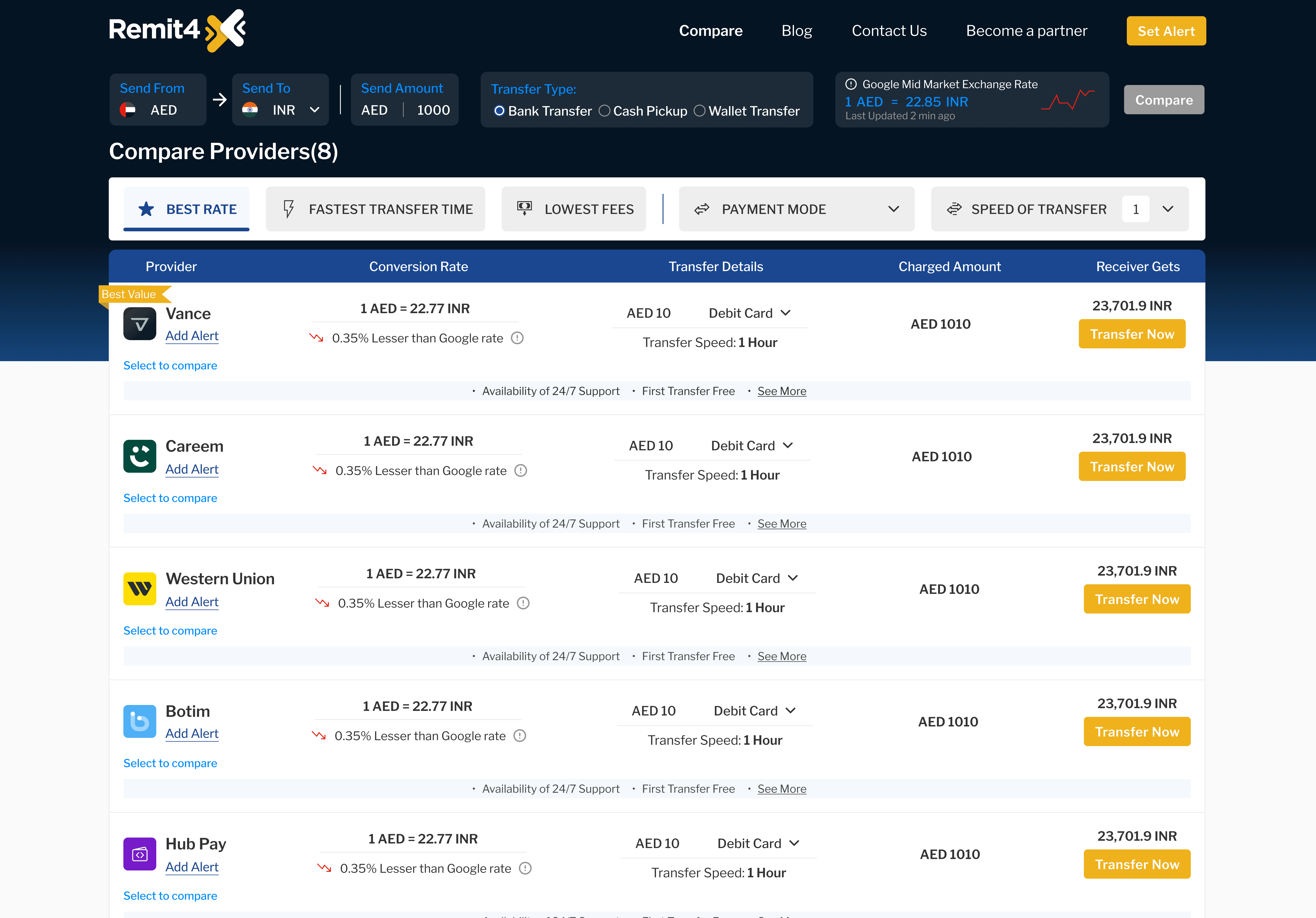


Major components of UI/UX Design
User Research
The first and foremost step while designing a website is user research. Designers collect all the required information in an elaborate form about users, their needs, and their specific needs. After collecting, they start analyzing this data in order to find the latest trends and patterns. They use various tools to arrange and understand the information in the correct manner. The aim of this process is to create clear and concise reports and presentations so that they can communicate their understanding to the team.
Wireframing
The second step followed by the designers is wireframing. Wireframes are defined as the elaborated sketches or blueprints that display the structure of the design. They demonstrate the functioning of the product and also outline its main characteristics. These wireframes help the designers to plan the layout and mention its special features before constructing the final design. Tools like Figma, Sketch, and Balsamiq are commonly used for this stage, facilitating early-stage communication and iteration on the structure.
Prototyping
Prototypes are known as interactive models with which the designers can test and filter their ideas for better results. They assist designers in visualizing and understanding how the designed product will work in real life and then making the necessary changes to get the desired results. It’s also used to gather user feedback on the design and functionality. Tools like Adobe XD and InVision enable the creation of these interactive models.
Visual Design
The fourth vital factor is visual design. After completing designing prototypes, the designer's main focus is on how the product looks. They take care of the user interface and create appealing visual elements. This makes the product look more attractive and user-friendly. The product visual design should match the overall website theme.
Testing
After designing and visualizing, the final step is testing what the designers have created. Designers test the final product after visualizing it to find any kind of problem. They make all the required changes after taking feedback in order to improve the experience. This includes usability testing - observing users interacting with the site, A/B testing - comparing different design variations, and gathering both qualitative and quantitative insights
Conclusion
A visually appealing website is not enough to attract users due to the competitive landscape. You have to provide a seamless experience to users so that they can keep engaged with you and can achieve both users and your business goals as well. UI/UX designers play a vital role in creating engaging and easy-to-use digital products. It is very important to keep UI/UX design on priority to get the best results. Investing in a good UI/UX design service provider makes sure that you get what you exactly need. They can provide a product that is satisfactory, easy to use, and creates high engagement.
What Sets Exceptional UI/UX Design Apart
While many teams follow the same UI/UX design process-research, wireframing, prototyping, visual design, and testing-the quality of outcomes can vary greatly. What sets exceptional work apart is the depth of user understanding, the ability to align design decisions with real-world goals, and the commitment to refining the product based on meaningful feedback. It's not just about following steps, but how thoughtfully and effectively those steps are executed.
In high-quality design efforts, the approach is always tailored to the unique needs of the product and its users. Attention to microinteractions, visual consistency, accessibility, and performance optimization all contribute to a seamless experience. When creativity, strategy, and precision come together, the result is a product that not only looks great but also performs effortlessly and leaves a lasting impression on users.
.png&w=640&q=75)